UK
UK CA
CA NZ
NZ


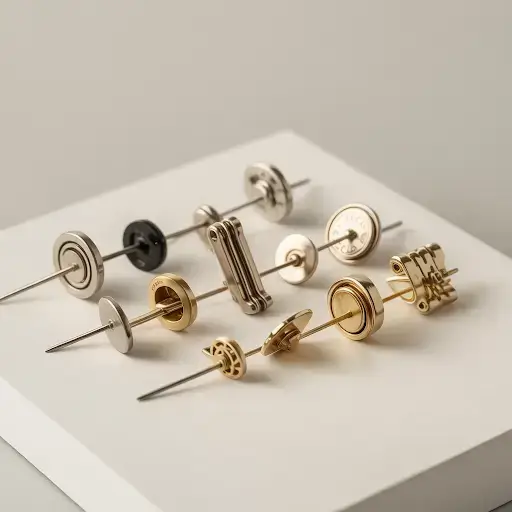
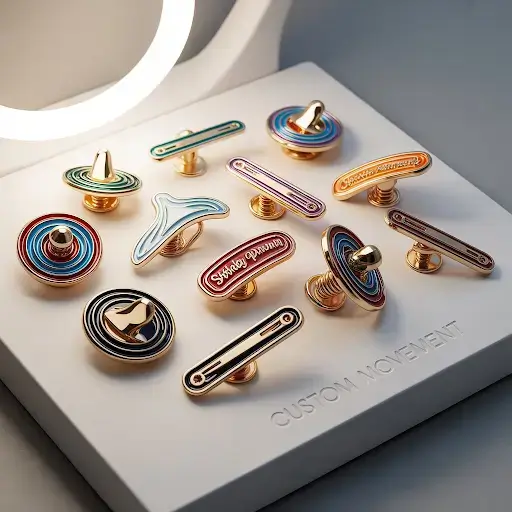
You’ve seen lapel pins. You’ve worn enamel pins. But when it comes to movement pins, the spinners, sliders, hinges, and spring-action marvels that add motion to flair, the game changes completely.
These are not your average accessories, they’re interactive marketing machines. For brands, events, or businesses wanting to stand out in the USA, movement pins deliver tactile engagement, conversation-starting novelty, and design creativity that flat enamel could never dream of.
But what is the catch: movement pins are not just about the “cool factor.” If you don’t play by certain design rules, you’re inviting failure points, pins that jam, break, or lose their charm faster than you can say cheap batch from Amazon.
In this guide, we’ll break down exactly what works (and what doesn’t) when it comes to spinners, sliders, hinges, and spring-action pins and why smart businesses should make them part of their branding strategy.
Why Movement Pins Deserve the Spotlight
Static pins? Great. Movement pins? Magnetic.
All pins movement, enamel or lapel pins are the kind of promotional pins people not only wear but play with. That fidget-factor keeps your brand literally in your audience’s hands. Whether it’s a spinner lapel pin twirling your logo, a hinged pin that unfolds into a surprise message, or a spring-action pin that pops with flair, movement pins are like built-in engagement.