
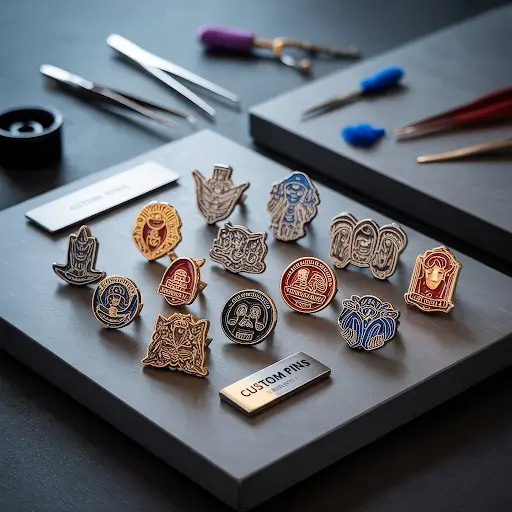
If you’ve ever held a high-quality custom pin in your hand, shiny, weighty, with colors that pop, you know it’s not just a piece of metal. It’s branding, art, and craftsmanship packed into something you can clip on a hat, jacket, or lanyard.
Businesses across the USA are tapping into this power because custom pins don’t just sit pretty, they sell ideas, build communities, and stick around longer than any throwaway marketing swag.
But here’s the thing: great custom pins don’t just happen. They’re born from a process that mixes creativity with precision, a little bit of old-school metalwork, and a lot of brand strategy. From artwork to mold, from plating to QC, each stage is a checkpoint where your brand identity gets forged into something you can actually hold.
And today, we’re breaking it all down, step by step.
Step 1: Artwork That Pops
The pin-making journey starts with something deceptively simple: your artwork. Whether it’s a corporate logo, a mascot, a witty slogan, or a festival badge design, it all begins here.
When you order custom pins, you’re not just uploading a JPEG and calling it a day. A good custom pin maker transforms your design into a vector file that can be scaled, molded, and plated. Details like line thickness, enamel zones, and plating edges are carefully mapped.
This is where the creative magic happens. Want metallic outlines? A matte finish? Glow-in-the-dark enamel for your Halloween promo? The artwork file is where those decisions get locked in.
Pro Tip: If you’re new to the game, check out our detailed breakdown in All You Need To Know About Custom Lapel Pins. It’ll help you understand the basics before you send in your designs.
Step 2: Mold Making — The Blueprint in Metal
Once the artwork is finalized, it’s time to bring it into the physical world. This stage is where a mold, essentially the stamp that shapes your pin, gets created.
Think of it as carving your design into steel so it can be replicated with absolute consistency. Whether you’re creating custom enamel pins, custom lapel pins with logos, or quirky one-off hat pins, the mold ensures every piece looks the same.
For businesses ordering custom pins in bulk, this step is crucial. A clean, sharp mold means your 500 pins will look identical, professional, and ready to rep your brand everywhere from trade shows to retail shelves.
Step 3: Plating — Setting the Tone
Here’s where pins start looking premium. The base metal is plated in your finish of choice, shiny gold, antique silver, rose gold, matte black, or even dual plating for that bold, modern vibe.
The plating isn’t just for aesthetics; it defines the overall feel of your pin. Want that sleek, corporate look? Go polished silver. Looking to make a fashion-forward statement for a streetwear brand? Matte black plating has been taking the USA fashion market by storm.
Pro brands don’t skimp here. A plating done right doesn’t fade, chip, or dull after a few months, which is why partnering with an experienced USA-based pin creator matters.
Step 4: Enamel Fill — The Color Show
Once the plating is in place, it’s time for color. Enamel filling is where your design comes to life.
- Soft enamel pins: Classic, textured, with recessed color areas. Perfect for lanyard pins, trade show giveaways, or promo tools where texture adds dimension.
- Hard enamel pins: Sleek, polished, and ultra-durable. Great for corporate gifting, luxury branding, or collectible series.
Colors are hand-filled into the recessed areas of your mold, and each hue gets baked in to ensure vibrancy and durability. This is where your artwork, whether it’s a minimalist brand logo or a vibrant festival badge, explodes with personality.
For example, custom cowboy hat pins with bold reds and metallic finishes can instantly turn into collector-worthy merch, while corporate logo lapel pins keep things sleek and professional.
Step 5: Polish — The Shine Factor
The enamel’s filled, the colors are baked, now your pins need that final glow-up. Polishing smooths out any rough edges and ensures the surface is glassy, reflective, and high-end.
Without proper polish, pins look cheap. With it, they look like premium accessories your customers and employees will actually want to wear. Whether you’re ordering custom lapel pins with no minimum for a local event or bulk custom pins for a nationwide rollout, polishing guarantees every single piece carries your brand with pride.
Step 6: Quality Control — No Pin Left Behind
Here’s the part a lot of cheap suppliers skip, but we don’t. Every batch of pins goes through a strict quality control (QC) process. That means checking plating consistency, enamel fill accuracy, pin backs, and overall durability.
If you’re investing in custom lapel pins with logo for your business, the last thing you want is dull plating or misaligned colors. QC ensures your pins don’t just meet expectations, they exceed them.
And remember: in the world of promotional branding, perception is everything. Handing out a pin that feels cheap tells customers your brand cuts corners. But delivering a pin that’s polished and flawless? That screams credibility.
Why This Process Matters for Businesses
You might be thinking, “Cool, but why should my brand care about molds, plating, and enamel fills?” Here’s why:
- Consistency builds recognition. Whether you’re giving pins to employees, fans, or customers, they need to look professional and identical.
- Durability protects your brand image. Nobody remembers the logo on a pin that chipped after one wear.
- Customization creates hype. When your enamel pin feels collectible, people talk about it, trade it, and rep your brand everywhere.
From tech startups ordering custom pin badges for launch events to breweries creating custom hat pins for merch, the process ensures every pin represents the brand at its best.
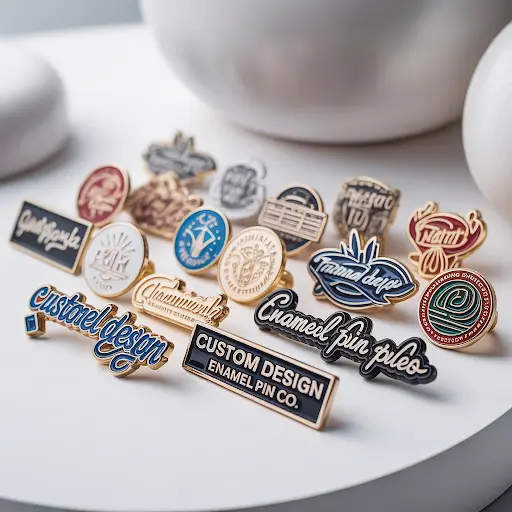
Step 7: Backings That Actually Work
A pin without the right backing? That’s a recipe for lost merch. And when your custom lapel pins are falling off jackets and backpacks, that’s money and marketing down the drain.
Here’s where you get options:
- Butterfly Clutches: Classic and reliable for corporate pins and small promos.
- Rubber Clutches: Comfy and flexible, ideal for youth events or quirky streetwear pins.
- Magnetic Backs: Premium choice that avoids puncturing fabrics (think business suits or uniforms).
- Locking Backs: Hardcore security for custom hat pins or biker pins that face real wear-and-tear.
The choice depends on how and where your pins will live. A brand hosting corporate summits? Go magnetic. A music festival giving out lanyard pins? Rubber all the way.
Step 8: Packaging & Presentation
Pins may be tiny, but their impact doubles when packaged right. This is where businesses often level up. A high quality custom pin tossed in a plastic bag feels like swag. A custom pin mounted on a branded backer card? That feels like merch.
From kraft-style eco cards to full-color backers with your brand story, packaging is the final stage that elevates pins from “giveaway” to “collector’s item.” Some USA brands even design seasonal backers (holiday editions, anniversary drops, festival runs) to keep pins relevant year-round.
It’s the same reason people frame vinyl sleeves or keep sneaker boxes: the packaging tells a story. And in marketing, stories sell.
Step 9: Final QC & Shipping
Before pins leave the factory, they’re QC’d again. This second round ensures no bad apples sneak through, scratched plating, uneven fills, or broken clutches. Once approved, your pins are packed, stacked, and shipped out.
Ordering from a USA pin company means fast turnaround custom pins, sometimes as quick as 7–10 days. That’s a massive advantage if you’re a business trying to launch pins for a last-minute event, festival, or product drop.
Connecting the Dots
If you’re serious about investing in pins, it pays to know what you’re ordering. That’s why we’ve broken down each step, so you can walk into your next design meeting like a pro, not a rookie.
Want more insight? Check out our guide: Guide on Creation & Popular Uses of Custom Lapel Pins, it’s a deep dive into how pins go beyond swag into real brand-building.
Why Businesses Should Care About the Full Process
If you’re a brand, you’re not just buying metal trinkets. You’re investing in marketing collateral that people actually carry around.
- Corporate world? Use lapel pins custom for employee recognition or trade show giveaways.
- Streetwear & retail? Drop custom enamel pins with no minimum runs as limited merch.
- Events & festivals? Hand out quirky pins that become conversation starters (and free promo).
- Sports & schools? Bulk custom pins unify teams and boost pride.
By understanding the full artwork-to-metal process, you ensure you’re not just buying pins, you’re buying credibility, consistency, and long-lasting impact.
Real-World Examples
- A craft brewery used custom enamel lapel pins on backer cards as part of their merch wall. The result? Fans bought pins like collectibles and wore them to beer festivals nationwide.
- A nonprofit created custom logo lapel pins for donors. Suddenly, those donors were repping the cause everywhere, turning into walking billboards.
- A tech startup handed out promotional pins at a launch party. Attendees posted pics of the pins on Instagram, driving organic brand buzz.
Beyond the Process: Strategy Meets Style
So you know the technical process, artwork to mold, plating to QC. But here’s the kicker: none of that matters if you don’t tie it back to brand strategy.
Ask yourself:
- Do you want your pins to feel like luxury collectibles or fun freebies?
- Should they rep your brand at formal events (corporate lapel pins) or casual hangouts (hat pins, lanyard pins)?
- Are you selling pins as merch revenue streams or using them as promo giveaways?
Answering these questions guides decisions about plating, enamel, packaging, and backers. Because in the USA, where brand competition is fierce, details make the difference.
FAQs
Q1. How are custom pins made?
Custom pins start with artwork, then move through mold creation, plating, enamel filling, polishing, quality control, and final packaging. Patch Makers USA handles every step with precision to deliver premium results.
Q2. What is the difference between hard enamel and soft enamel pins?
Hard enamel pins are polished flat for a smooth, jewelry-like finish, while soft enamel pins have recessed areas that give a textured look. Both are popular for brands and promotions.
Q3. How long does it take to make custom pins in the USA?
Most custom pins take 7–14 business days once artwork is approved. Rush orders are available for businesses needing pins quickly for events or launches.
Q4. Can I order custom pins with no minimum?
Yes! Patch Makers USA offers custom lapel pins no minimum so you can test designs or create small-batch pins without committing to bulk orders.
Q5. Why should businesses invest in custom pins?
Custom pins work as wearable marketing, employee recognition tools, merch, and promotional giveaways. They’re affordable, collectible, and long-lasting compared to other swag.
Q6. Do you ship bulk custom pins?
Absolutely. Whether you need bulk custom lapel pins for corporate events or custom hat pins for retail, Patch Makers USA delivers large orders with consistent quality.
Q7. What kind of backings and packaging can I choose?
Options include butterfly clutches, rubber backs, magnetic backs, or locking clasps. Packaging can be simple poly bags or fully branded backer cards that elevate your pins to premium merch.
Time to Put Your Brand in Metal
At the end of the day, custom pins aren’t just merch. They’re mini billboards, loyalty builders, and collectibles rolled into one.
So whether you’re testing out custom lapel pins no minimum or gearing up for a bulk custom pins order, now’s the time to make the leap.
Talk to the #1 USA custom pin maker today, and let’s turn your artwork into metal that moves. Because your brand deserves more than “meh” marketing. It deserves a pin that people actually want to wear.
