UK
UK CA
CA NZ
NZ








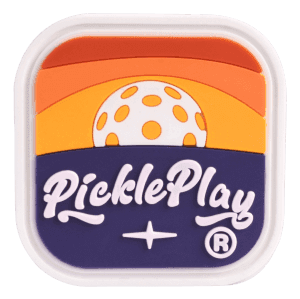
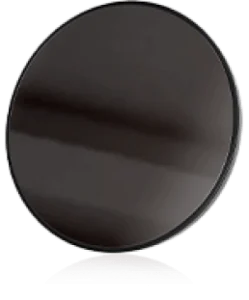
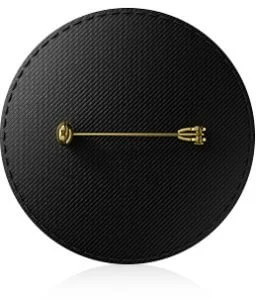
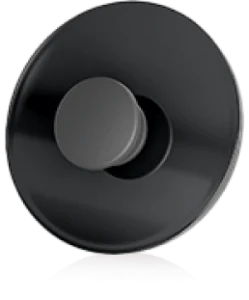



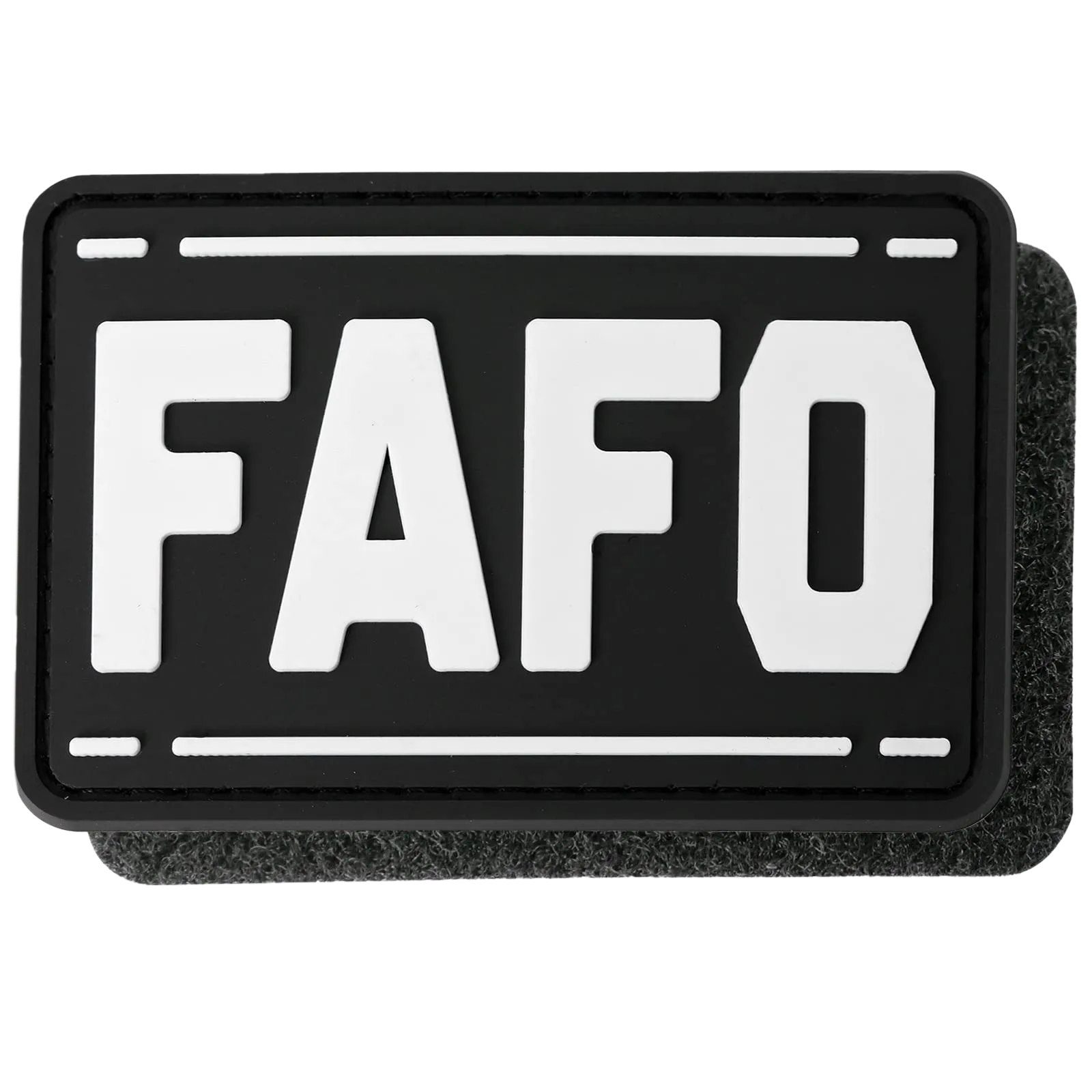
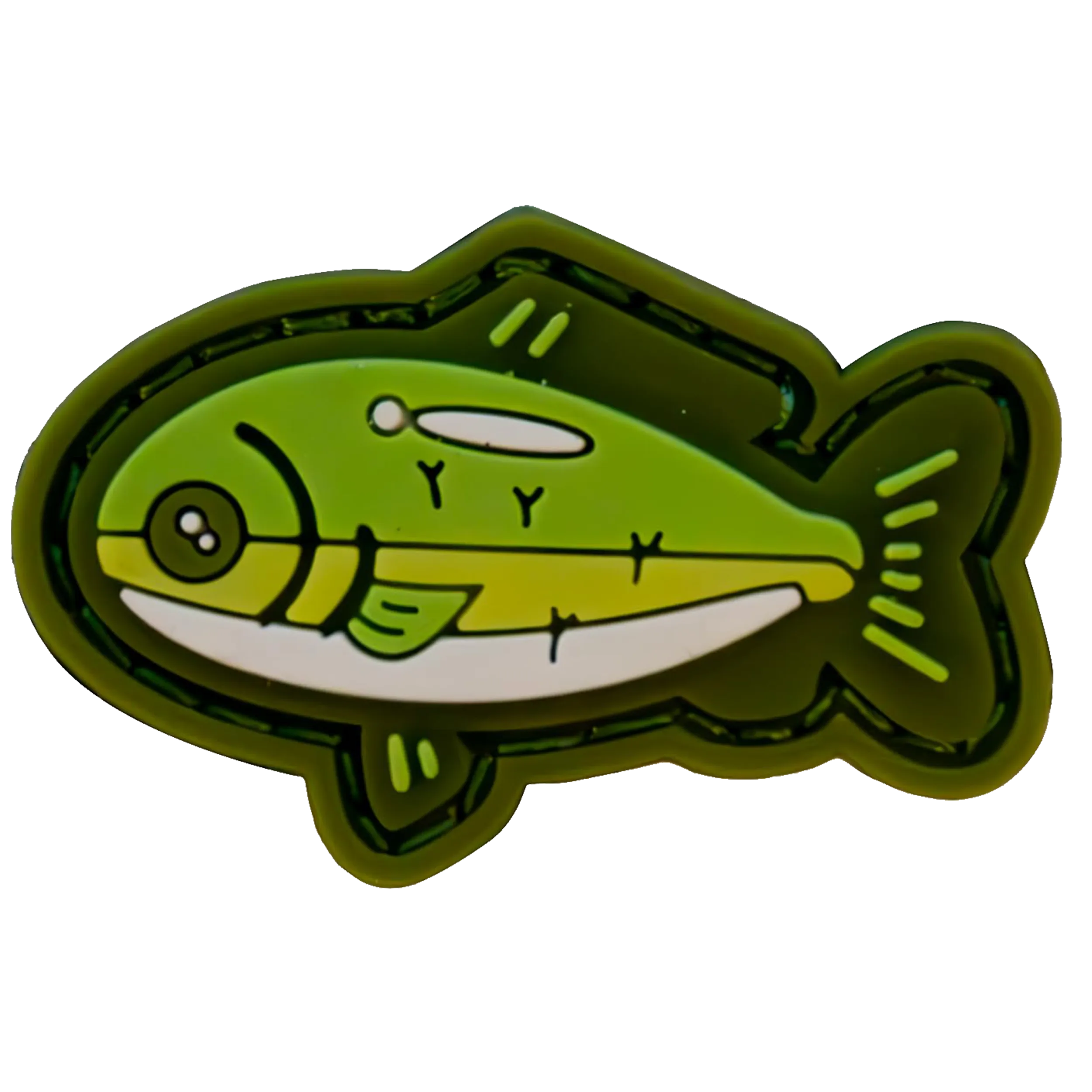
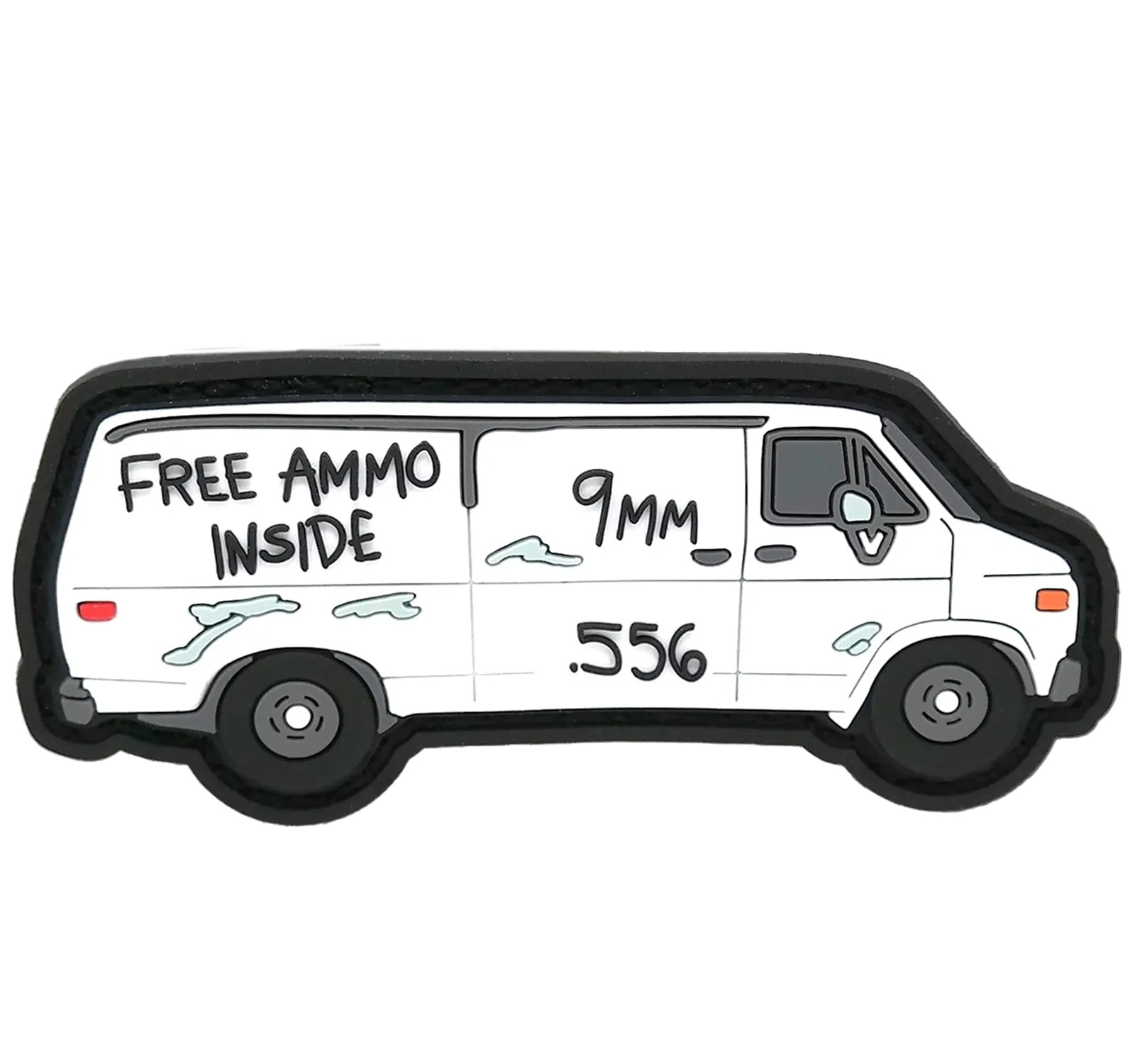

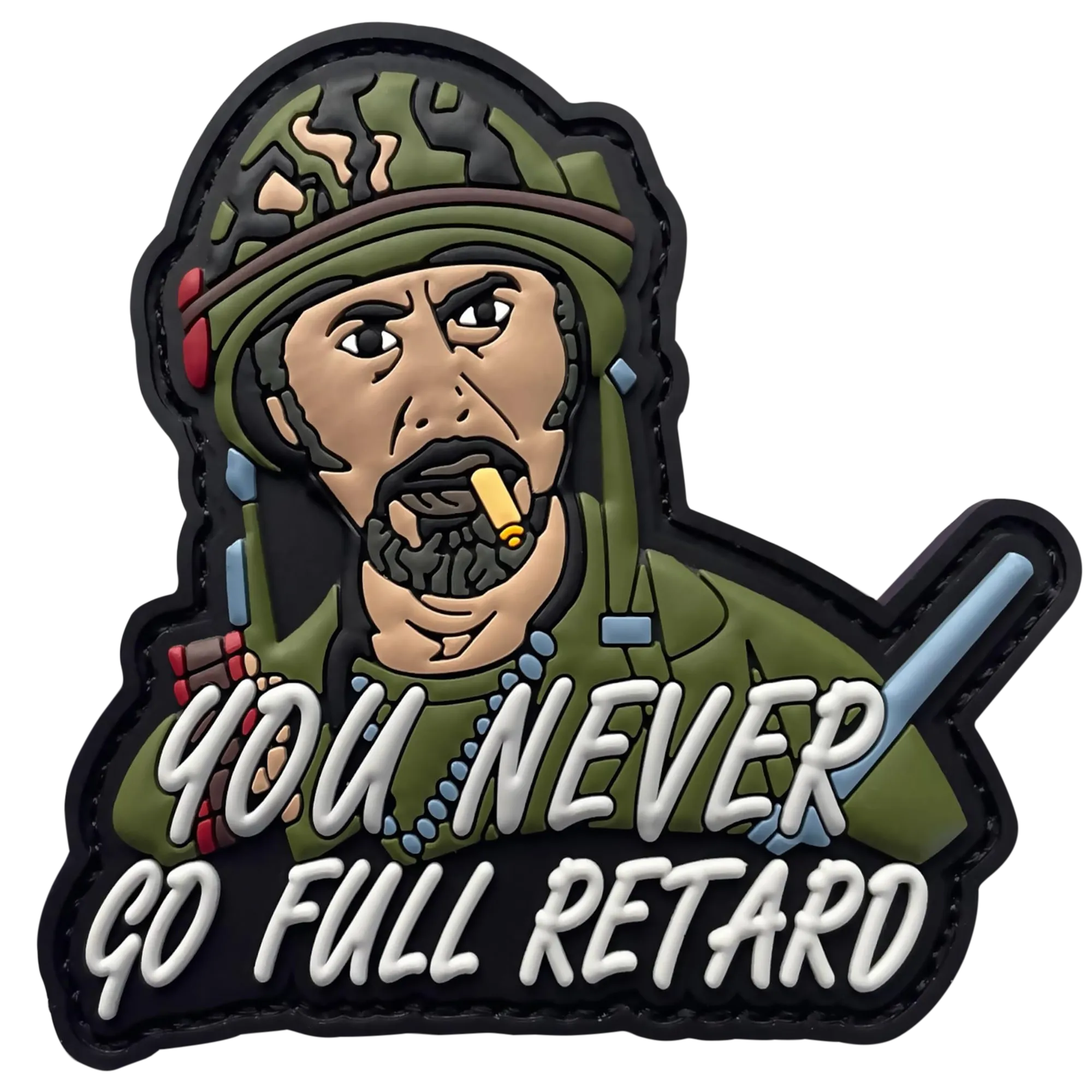
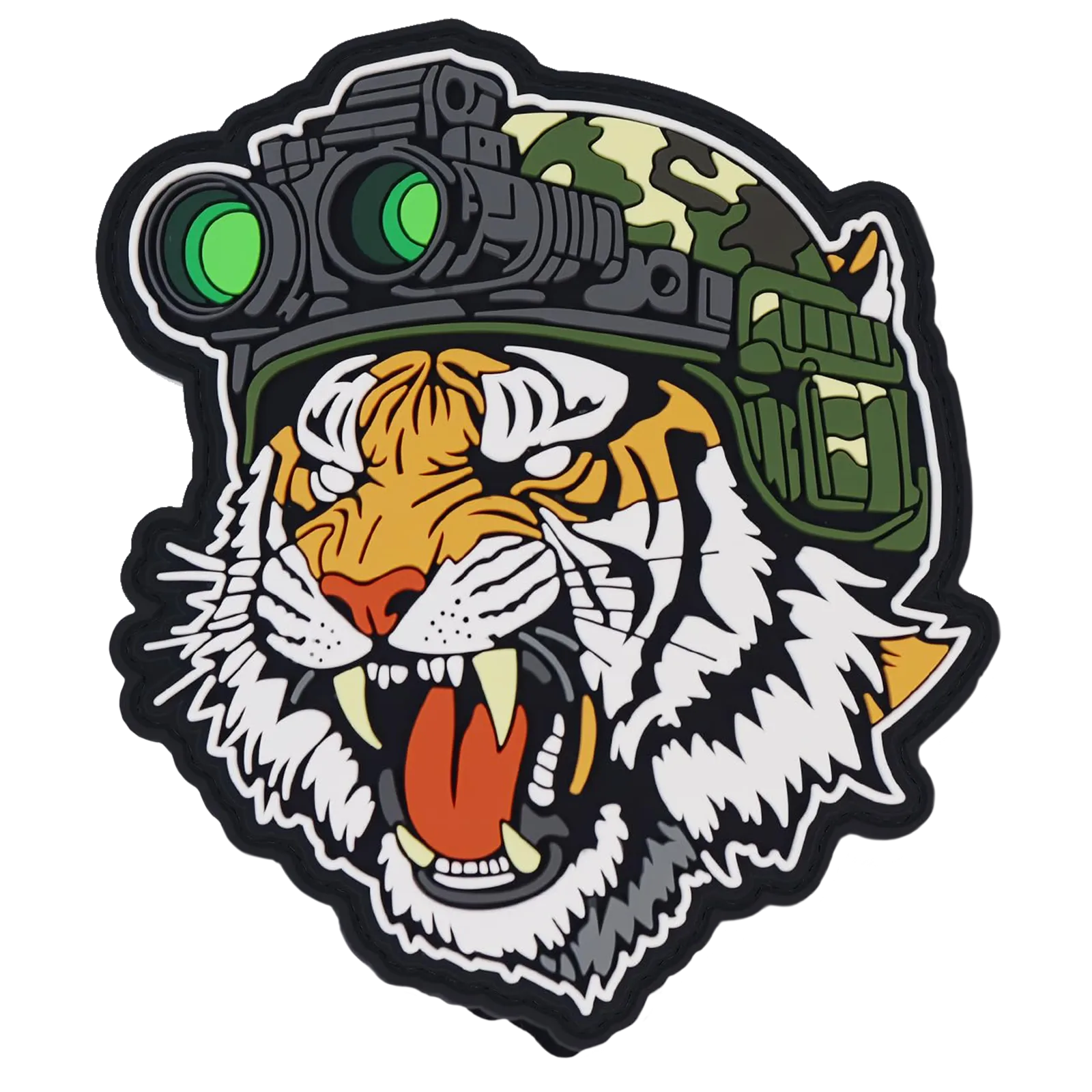


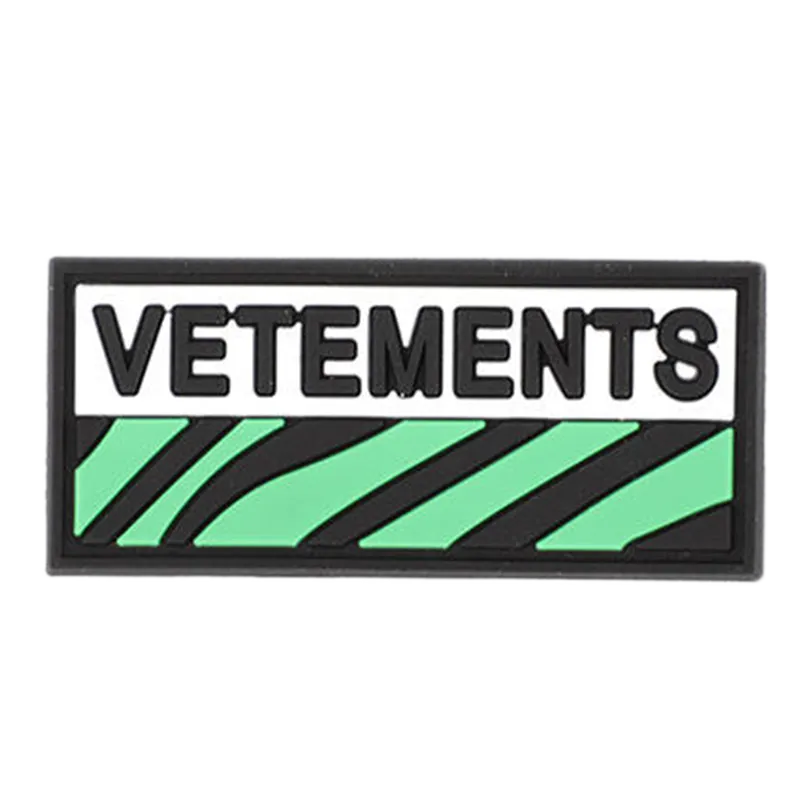
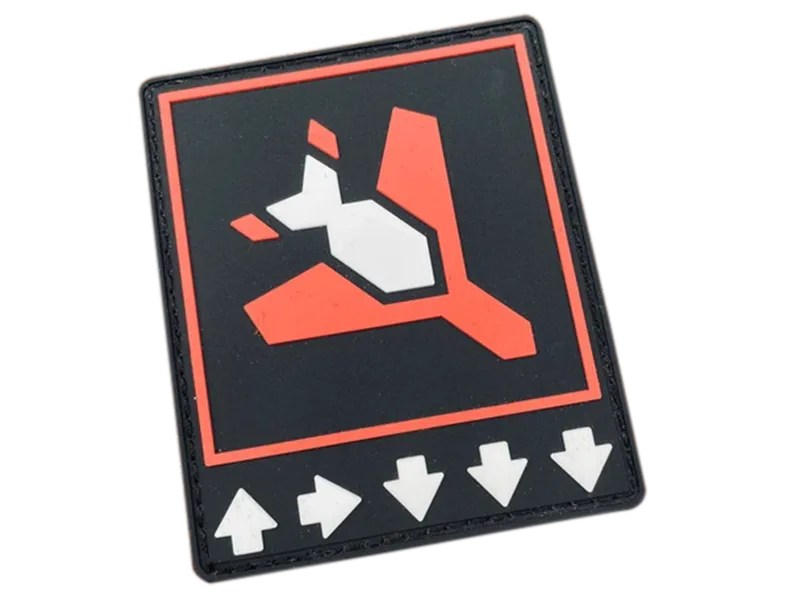
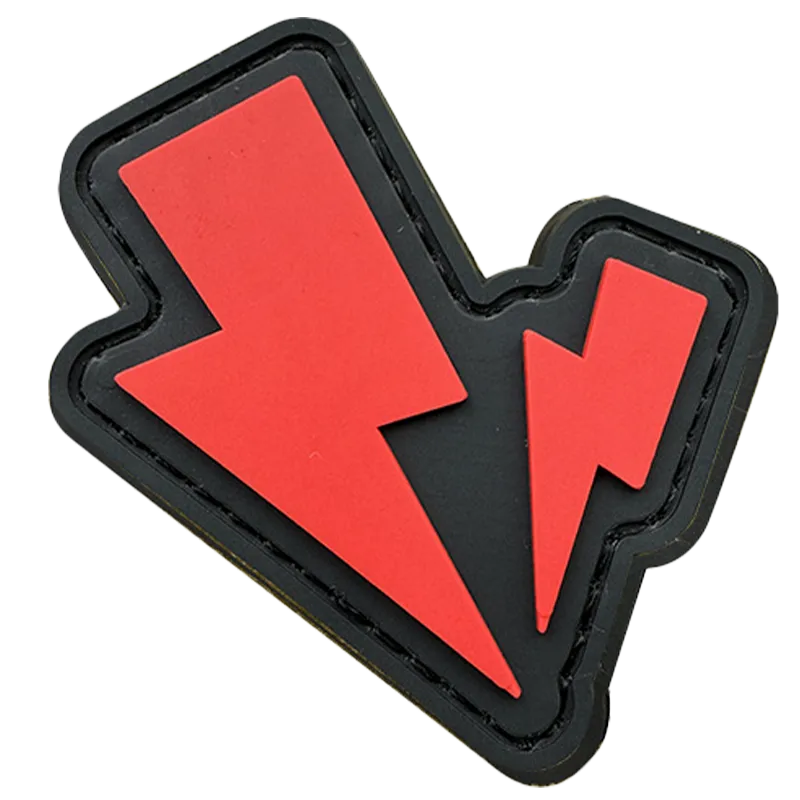
Polyvinyl Chloride (PVC) patches are made through a precise, multi-step liquid molding process that gives them their signature durable, rubberized, and three-dimensional finish.
- Digital Design & Blueprinting: The process begins with a digital vector artwork file. Designers adapt the artwork into a technical blueprint, determining which elements will be raised (2D or 3D effect) and where the recessed channels will sit.
- CNC Mold Milling: Using the blueprint, a CNC machine precision-carves the design into a metal mold, typically made of brass, aluminum, or steel.
- Liquid Color Injection: Custom-tinted liquid PVC is injected into the mold layer by layer. For complex, multi-colored designs, this is often done using automated medical-grade syringes to ensure the colors don’t bleed into one another.
- Baking and Curing: The filled mold is placed into a high-heat oven to bake. This solidifies the liquid PVC into a flexible, resilient rubber patch. If the patch requires multiple layers, it may be baked several times during the injection process.
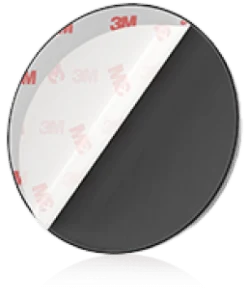
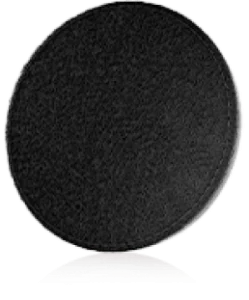
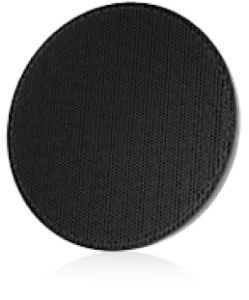
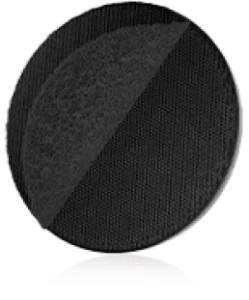
- Backing Application: Once cured and cooled, the patch is stripped from the mold. Depending on the final use, a backing such as Velcro, adhesive, or a sewing channel is applied to the reverse side by the PVC patch maker.