
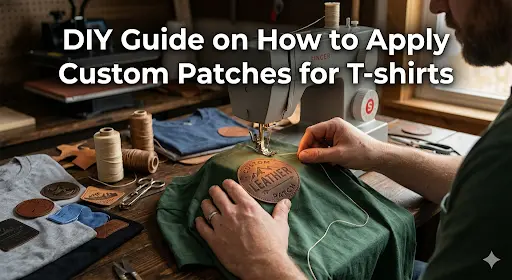
In today’s world, where everyone wants durability, standing out in the apparel market has become a hard nut to crack, as there are many brands to compete with, but not every brand can leave a lasting impression. As the need for design and styling has reached the sky, t-shirts with printed designs have become popular. Still, they fail to fulfill the demand for durability as the prints fade and crack after a few washes.
Whereas the patches stay intact for a long time after many washes, so many T-shirt designers have shifted their focus to personalized patches for clothing rather than using the print technology, which actually lets them reserve all the stop lights to themselves.
You can also stand out by moving towards patches rather than printing designs on shirts. Here is how you can do it, all sorted out for you and why.
Why Custom Patches for T-Shirts are Leading the Market Instead of Printing
Custom patches offer what printing can not. Printing sits flat on the surface of fabric, but patches offer textures and raised designs, which adds the variation in how a design looks on the t-shirt while offering full durability. They are a cost-effective way to design t-shirts and can fully replace printing.
They add a luxury feel to your T-shirts that says expensive while providing different options to attach them to a fabric, either permanent or removable, that gives the flexibility to change your styles whenever you want, without changing the whole T-shirt.
Types of Custom Patches That Work Best on T-Shirts?
Embroidered Patches
Embroidered patches on t-shirts shouts that they look best. They are made with thick threads stitched on top of the fabric. The design feels raised and bumpy, and looks fancy. Works best for names and simple logos.
Woven Patches
Woven patches lead the way when it comes to small, complex design logos and text. They are made with tiny thin threads that are woven tightly together. The surface of ultimate custom woven patches looks smooth and clear.
PVC Patches
PVC patches get all the spotlight when it comes to durability for lasting use without getting damaged and fraying. They are made from a soft rubber material that is polyvinyl chloride, which naturally does not absorb water. This makes them strong and safe from rain. Best for bold and fun designs.
Chenille Patches
When it comes to visibility, Chenille patches grab all the attention. They are made with a thick yarn sewn on a fabric, making up loops and a plushy texture, which makes them soft and fluffy like a sweater. They are big and easy to see, which makes them a great blend for streetwear and a casual look.
Sublimated Patches
When there is a talk about photographic design with lots of colors, sublimated patches speak for themselves. They are made through heat, pushing the ink into the polyester fabric. The colors become bright and smooth, which makes them good for pictures and shading.
Custom Patch Backing Options
There are several patch backing types:
- Iron on: The glue on the back melts with heat to stick on the shirt.
- Sew on: The patch is stitched to the shirt with thread.
- Velcro: Two gripping strips, let the patch stick on and pull off.
- Adhesive: Sticky back peels off and presses on by hand.
| Backing Type | Best For | T-Shirt Verdict |
| Iron-On | Quick DIY use at home | Great for casual and personal tees |
| Sew-On | Permanent heavy-use wear | Best for uniforms and team shirts |
| Velcro | Swappable designs | Better on thick tees, not thin fabric |
| Adhesive (Peel & Stick) | Events and temporary use | Not for long-term wear |
Helpful tips
- Permanence: Choose sew-on for forever use or Velcro for easy changes.
- Fabric Type: Thin cotton tees handle iron-on better than heavy Velcro.
- Helpful Tip: Iron-on with a small sew around the edge gives both strength and easy use.
T-Shirt Fabric Compatibility
- 100% Cotton: Soft cotton shirts work very well with most patch types and are great for iron-on or sew-on use.
- Cotton-Poly Blends: Blend shirts hold patches nicely and give strong results with iron-on, sew-on, or heat press methods.
- Pure Polyester: Polyester can take patches well, but use low to medium heat because high heat may damage the fabric.
- Stretch Fabrics: Stretch shirts move a lot, so iron-on may peel off, and sew-on is usually the safer choice.
| Fabric Type | Patch Performance | Best Method | Simple Note |
| 100% Cotton | Excellent | Iron-on / Sew-on | Most reliable and easiest to work with |
| Cotton-Poly Blend | Very Good | Iron-on | Strong hold and durable over time |
| Pure Polyester | not good | Sew on only | Needs careful heat control |
| Stretch Fabrics | Risky | Sew-on only | Stretch can cause peeling or warping |
| Thick / Heavy Tees | Good | Sew-on | Holds weighty patches well |
| Thin / Lightweight Tees | Good | Iron-on (light patches) | Avoid heavy or stiff patches |
Simple Tip
Test the heat on a small area first, that is not easily seen, before attaching your patch to see if the fabric is heat-safe.
Where to Place a Patch on a T-Shirt
Patch placement on t-shirt is easy, you can place them anywhere but following are the best placements along with patch sizing guide for shirts:
- Left Chest: The most classic spot for logos and branding, and patches here look best at 3–4 inches wide.
- Center Chest: A bold front placement that stands out fast, and works best with 4–6 inch patches.
- Sleeve: A small side detail that gives a clean streetwear look, best sized at 2–3 inches.
- Back / Center: Great for large designs, team shirts, or statement looks, with patches around 6–10 inches.
- Bottom Hem Corner: A modern fashion spot near the lower edge, best with a small 2–3 inch patch.
| Placement Area | Best Patch Size | Simple Note |
| Left Chest | 3–4 inches | Classic spot for clean branding |
| Center Chest | 4–6 inches | Bold, front-focused design |
| Sleeve | 2–3 inches | Small detail for streetwear style |
| Back Center | 6–10 inches | Big statement or team designs |
| Bottom Hem Corner | 2–3 inches | Modern, subtle fashion look |
Simple Tip
Use small patches if you want your branding to be clean, and bigger patches for designs so they can be the main focus.
How you can Apply Custom Patches on T-Shirts
You can apply custom patches so easily at home by simply following the sew-on vs iron-on patches methods below.
Iron-On Method
- Place the patch on the shirt.
- Cover with a thin cloth.
- Iron it on for 15 to 30 seconds.
- Apply pressure even on the patch.
- Let it cool.
Sew-On Method
- Position the patch on the t-shirt and pin it.
- Thread a needle with matching or strong thread.
- Stitch around the edge of the patch slowly and evenly.
- Make sure all sides are tightly secured.
- Tie a knot and cut extra ends.
Who’s Using Patch T-Shirts in 2026?
Businesses & Uniforms
Companies put small logo patches on shirts to look neat and professional. It helps staff look the same and easy to recognize. It also makes the brand look more trusted. It gives a stronger company identity.
Sports Teams
Teams use patches for names, numbers, and team logos on their shirts. It makes players look like one team. It also helps fans easily recognize players and builds team spirit.
Non-Profits
Groups use patches to show messages and support for good causes. It helps people notice the message quickly and also spreads awareness in a simple way. It encourages more support.
Artists
Creators turn their art into patch designs on t-shirts to sell. It makes their art wearable. It also helps them build a fan base. It gives them a new way to earn.
Events
Concerts and festivals use patches for special limited shirts. It makes the shirt feel special and collectible. It also reminds people of the event. It increases the value of the products.
Upcycling
People use personalized t-shirt patches on old shirts to fix them or make them look new again. It gives old clothes a fresh life. It also saves money and reduces waste. It makes old items usable again.
| Use Case | Simple Meaning |
| Businesses & Uniforms | Logo patches make staff look clean, same, and professional. |
| Sports Teams | Name and number patches help identify players easily. |
| Non-Profits | Message patches spread awareness for social causes. |
| Artists | Artwork patches are sold as wearable designs. |
| Events | Limited patches make shirts feel special and collectible. |
| Upcycling | Old shirts are refreshed by covering damage with patches. |
How to Wash and Care for T-Shirts with Patches
How to wash t-shirts with patches is easy, you just need to look out for following list:
Cold Water Wash
Always wash in cold water because hot water can not protect the patch glue, thread, and fabric. It keeps colors from wearing and fading for longer.
Wash Inside-Out
Turn the t-shirt outside in so the patch does not rub against other clothes and face less friction. This will reduce surface damage.
Gentle Cycle Only
Use a soft or gentle wash cycle to avoid peeling of or damaging the edges of iron on patches for shirts. It keeps the patch safe in all ways.
Avoid Dryers
Do not use a dryer for iron-on patches, especially because heat can make them peel off. High heat makes the glue weak, readily tears the threads, and makes them fade the colours.
Air Dry Recommended
Hang the shirts out in the open area to dry with natural air until all the moisture in the shirt and patch dries out, but make sure you keep them out of sunlight in a shady place.
No Harsh Chemicals
Bleach or strong detergents that contain harmful chemicals can affect both the patch and the shirt, as they can damage the color and fabric, so do not utilize them. Though you can use the mild soap to wash or clean.
| Care Step | Simple Rule | Why It Matters |
| Cold Water Wash | Wash in cold water only | Keeps patch glue, thread, and colors safe |
| Inside-Out Wash | Turn shirt inside-out | Reduces rubbing and surface damage |
| Gentle Cycle | Use soft wash mode | Protects patch edges from pulling |
| Avoid Dryer (Iron-On) | Do not tumble dry | Heat can make patches peel off |
| Air Dry | Dry naturally in air | Safest method for all patch types |
| Sew-On Care | Very durable in wash | Stays strong even after many washes |
| No Harsh Chemicals | Do not bleach and strong detergents | Prevents fading and fabric damage |
FAQs
Choose Patches Over Printed Designs
Printed designs were popular, but in 2026, the spotlight has been stolen from them, and now it belongs solely to the custom-made patches. Now everyone is moving on from old printing design techniques and choosing the new evolved technology of custom patches that provide everything that printed designs can not, while being durable, flexible in attachment, and cost-effective.
They might cost a little more than the printed designs that can fade and crack after a few washes, but they are still a pay less for more if we focus on what serves for a long time.
If you want to stand out and choose an advanced technology in the branding and fashion market, you can give patches a try by reaching out to Patch Makers USA, and have your best patches for clothing delivered to your doorstep with ease and fast turnaround time as low as 7 business days.
